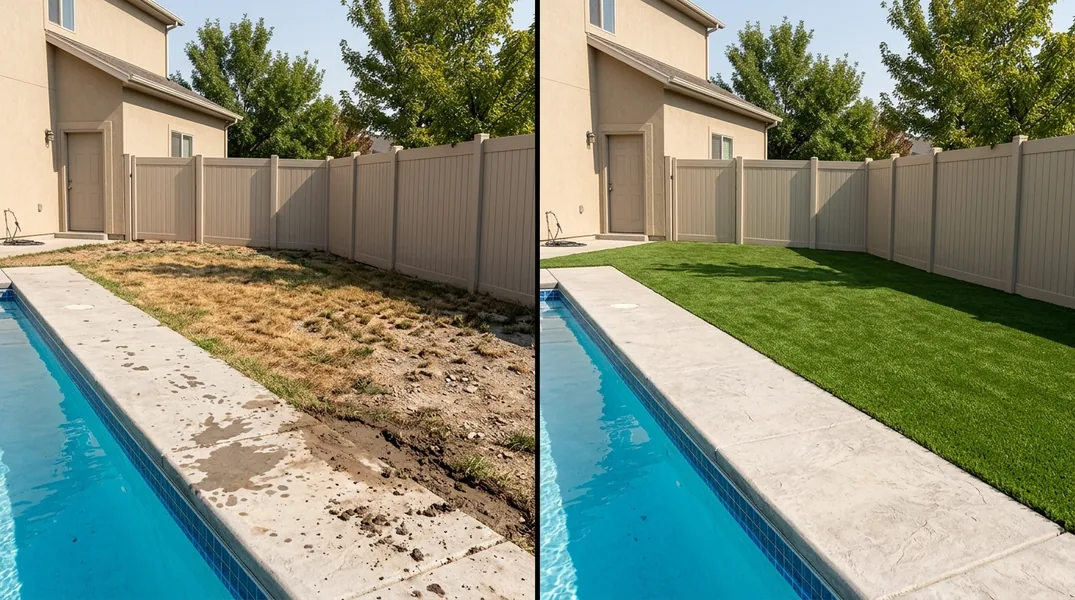
Understanding HOA Artificial Grass Rules in Utah Valley
Homeowners associations across Utah Valley, including those in Provo, have become increasingly open to artificial grass as a sustainable landscaping solution. However, each HOA maintains its own set of rules and approval processes. Before you invest in Residential Artificial Grass Installation, it's critical to understand what your specific HOA allows and requires.
Most HOAs in the Utah Valley region have established guidelines that address turf quality, color, drainage, and installation standards. Some communities embrace artificial grass enthusiastically because it reduces water consumption in a semi-arid climate, while others maintain stricter aesthetic standards. The key is to review your CC&Rs (Covenants, Conditions, and Restrictions) and contact your HOA board directly to clarify whether artificial grass is permitted and under what conditions.
Front Yard Artificial Grass: What HOAs Typically Require
Front yards are the most visible part of your property and therefore subject to the most scrutiny from HOA boards. When it comes to front yard artificial grass, HOAs generally focus on whether the turf looks natural, is well-maintained, and complies with community aesthetic standards. Many HOAs now recognize that high-quality artificial turf can actually enhance curb appeal while conserving water, a significant concern in Utah's dry climate.
Most HOAs will evaluate front yard artificial grass based on several criteria: realistic color and texture that matches natural grass, proper installation without visible seams or wrinkles, adequate drainage systems to prevent water pooling, and adherence to any existing landscaping themes in your neighborhood. Some communities require that artificial turf be installed only in specific areas or alongside natural plantings. Others may have height restrictions or requirements about the type of backing material used. Understanding these nuances before submitting your proposal will significantly increase your chances of approval.
The HOA Submittal and Approval Process for Artificial Turf
The submittal process is your formal request to the HOA for permission to install artificial grass. Most Utah Valley HOAs require homeowners to submit a detailed plan that includes photographs of the proposed installation area, specifications of the artificial turf product you plan to use, and information about the installation company. Some HOAs may also request a site plan showing exactly where the turf will be installed and how it will be integrated with existing landscaping.
When preparing your submittal, include product samples or high-resolution images showing the turf color, pile height, and texture. Many HOAs want to see that your chosen product appears natural and will complement the neighborhood. If you're working with a professional installer like Provo Artificial Grass Installation, they can often provide documentation and product specifications that satisfy HOA requirements. The approval timeline typically ranges from two to four weeks, though some HOAs may require additional information or a site visit before making a final decision.
Be proactive in your communication with the HOA. Attend a board meeting if possible, or request a pre-approval consultation to discuss your plans before submitting formal documentation. This approach often leads to smoother approvals because you can address concerns early and demonstrate your commitment to maintaining community standards.
Common HOA Objections and How to Address Them
Some HOAs express concerns about artificial grass based on outdated perceptions or misunderstandings about modern turf technology. One common objection is that artificial grass looks fake or plastic. Today's premium artificial turf products are remarkably realistic, with natural color variations and textures that closely mimic real grass. When you submit your application, include samples or photos that demonstrate the high quality of contemporary artificial turf options.
Another frequent concern relates to drainage and environmental impact. HOAs worry that artificial grass will create water runoff problems or that it generates heat. Modern artificial turf systems are engineered with sophisticated drainage layers that actually manage water better than compacted soil. Additionally, newer products use materials designed to minimize heat absorption. Addressing these concerns with technical specifications and references to installations in similar communities can help overcome initial resistance.
Some HOAs also worry about long-term maintenance and replacement costs. While artificial grass requires less maintenance than natural grass, it does need periodic cleaning and may eventually require replacement. Be transparent about this in your submittal and explain how you plan to maintain the turf to keep it looking attractive for years to come.
Working with Professional Installers to Meet HOA Standards
Partnering with an experienced Residential Artificial Grass Installation company in Provo can significantly streamline the HOA approval process. Professional installers understand regional HOA requirements and can recommend products and installation methods that consistently meet approval standards. They can also provide documentation, warranties, and references that give HOAs confidence in the project.
When you contact a local installer, ask about their experience with HOA approvals. Do they have references from other homeowners in your community? Can they provide product specifications and installation photos that satisfy HOA requirements? A reputable company will be happy to discuss how they can help you navigate the approval process and ensure your installation meets all community standards. Provo Artificial Grass Installation has extensive experience working with local HOAs and can guide you through each step. Call (385) 375-7227 or request a free estimate to discuss your project and HOA requirements.
Next Steps: Getting Your HOA Approval and Installation Timeline
Once you've reviewed your HOA guidelines and gathered necessary information, the next step is to prepare a comprehensive submittal package. Include product samples, installation plans, drainage specifications, and photos showing how the artificial grass will look in your front yard. Submit this package to your HOA board with a clear request for approval, and be prepared to answer follow-up questions or provide additional information.
After receiving approval, you can move forward with scheduling your installation. The entire process from submittal to completed installation typically takes four to eight weeks, depending on HOA response time and your installer's availability. Working with an experienced professional ensures that your installation meets both HOA requirements and industry best practices, protecting your investment and maintaining community harmony.
If you're ready to explore artificial grass for your Provo home and want expert guidance on HOA approval, contact Provo Artificial Grass Installation today at (385) 375-7227 or visit our website for more information about our services and pricing.
Looking for a professional artificial grass installation company in Provo? Provo Artificial Grass Installation responds fast for all your artificial grass installation needs.
Get a Free Quote